Winter Storm Fallout: How Rising Energy Prices and Data Center Demands Are Straining the Eastern U.S. Grid
January 27, 2026
The eastern United States has faced a pressing energy crisis in the wake of a severe winter storm, which has raised alarms about the vulnerabilities of the region's electricity grid.
The storm not only disrupted energy production but also highlighted the critical demands placed on the grid by both residential heating requirements and the rapid expansion of data centers.
As temperatures plummeted into the teens, the urgency for effective energy management has never been more apparent.
In response to soaring energy prices and increasing demands, significant measures have been initiated, including the directive from Energy Secretary Chris Wright for the PJM Interconnection to prioritize power distribution to essential services and residential needs over data centers.
Amid this backdrop, we examine the multifaceted impact of the crisis on energy production and consumption, along with the challenging landscape faced by data centers and local residents.
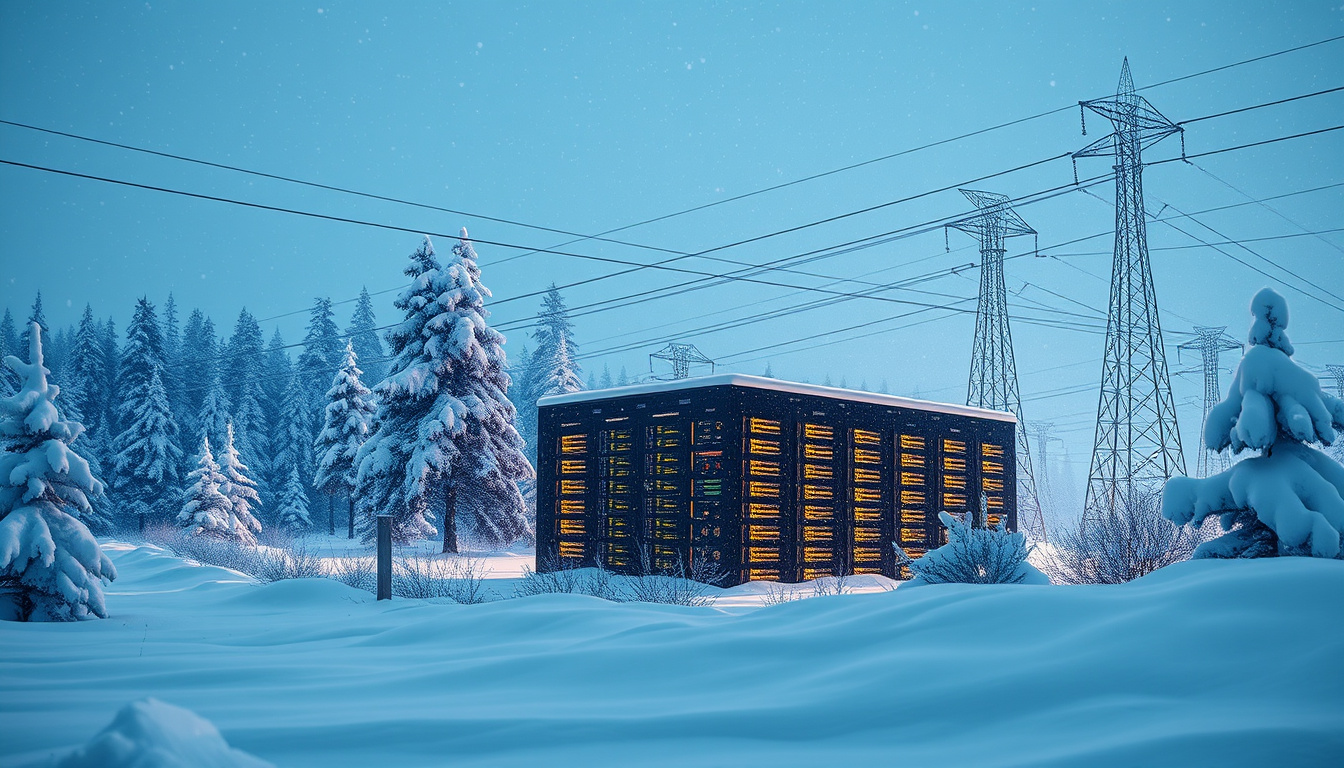
Key Takeaways
- The winter storm significantly disrupted energy production, leading to a drastic rise in electricity prices across the PJM grid.
- Energy Secretary Chris Wright has mandated a reallocation of power priorities to support residential and critical services over data centers.
- The ongoing energy crisis highlights the need for better grid management and policy adaptations to address energy supply challenges.
Impact of the Winter Storm on Energy Production
The recent winter storm that swept across the eastern United States has had a profound impact on energy production, leaving behind a trail of challenges that continue to resonate with consumers and policymakers alike.
As the storm subsided, power generation from fossil fuels played a pivotal role in preventing widespread blackouts amidst surging heating demands.
Recognizing the urgency of the situation, Energy Secretary Chris Wright took decisive action, directing the PJM Interconnection—responsible for serving over 67 million people—to prioritize power allocation for residential customers and hospitals over energy-intensive data centers.
Data centers, which are critical to the digital economy but also significant energy consumers, were urged to activate their backup generators to alleviate the strain on the grid during peak hours.
The extreme weather has plunged average temperatures in regions like Washington, DC, into the low teens, with forecasts suggesting continued below-average conditions.
This has triggered an alarming spike in electricity costs—wholesale prices on the PJM grid skyrocketed by 241%, exceeding $2,300 per megawatt-hour.
For residents, particularly in Central Maryland, the financial impact has been severe, as many find themselves grappling with mounting debt from exorbitant electricity bills.
The situation is further complicated by green energy policies, which, while well-intentioned, have failed to effectively balance energy supply with the increasing demands from both residential and commercial sectors.
As the energy crisis unfolds, it raises critical questions about grid management and the necessary policy revisions to ensure both affordability and reliability in energy supply.
Ultimately, the events underline the pressing need for a more robust energy strategy that adeptly addresses both current demands and future growth.
Challenges and Solutions for Data Centers and Residential Energy Management
The interplay between data centers and residential energy management becomes particularly evident during crises like the recent winter storm, which laid bare vulnerabilities in our energy infrastructure.
As temperatures plummeted, the prioritization of power for essential services was crucial.
However, this reliance on fossil fuel generation, while effective in the short term, prompts broader discussions about sustainability in the energy sector.
With the PJM Interconnection reallocating resources from data centers to residential customers, one solution lies in enhancing energy efficiency protocols within these centers, mitigating their impact on the grid during peak demand times.
Additionally, integrating renewable energy sources and smart grid technologies could provide a long-term fix by creating a more resilient energy framework.
This dual focus on immediate crisis management and future-proofing our energy systems is essential for maintaining robust energy security amid changing consumption patterns and extreme weather conditions.