Zelenskyy's Apology to Trump: Navigating Tensions Between Ukraine and Russia for Peace
March 11, 2025
In a significant turn of events, Ukrainian President Volodymyr Zelenskyy has publicly apologized to former President Donald Trump, following a tense meeting that unfolded on February 28 at the White House.
This meeting, which was primarily aimed at finalizing a critical economic agreement to provide the U.S.
with access to Ukraine's rare earth minerals, quickly escalated into a heated discussion surrounding the ongoing conflict with Russia.
In a letter referenced by Trump during his congressional address on March 4, Zelenskyy extended his apology, acknowledging the complexities of the situation while reiterating Ukraine's willingness to pursue peace negotiations.
This article delves into the context surrounding Zelenskyy's apology, the implications of the U.S.-Ukraine relationship, and the broader path toward peace in the region.
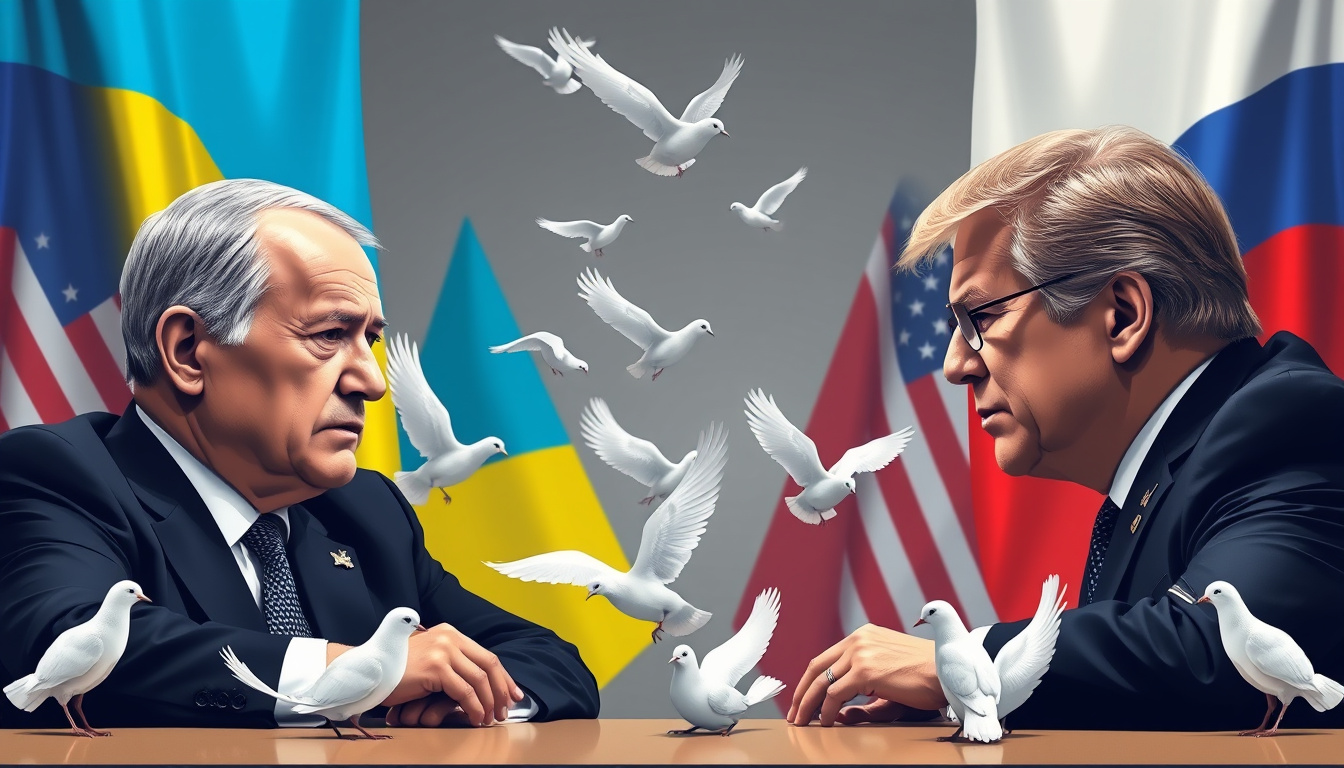
Key Takeaways
- Zelenskyy's apology to Trump highlights the diplomatic tensions and challenges in Ukraine-Russia relations.
- The meeting emphasized the need for U.S. support and security guarantees amid ongoing hostilities with Russia.
- Upcoming discussions in Saudi Arabia aim to facilitate peace talks and address Ukraine's concerns over military aid.
Zelenskyy's Apology: Context and Consequences
In a significant diplomatic turn, Ukrainian President Volodymyr Zelenskyy issued a formal apology to former President Donald Trump following a challenging meeting that took place in Washington, D.C.
on February
28.
The tensions of their discussions centered on an economic agreement granting U.S.
access to Ukraine's vital rare earth minerals, which momentarily sidetracked the primary objective of the meeting.
During Trump's congressional address on March 4, he referred to Zelenskyy's letter, underscoring Ukraine's interest in negotiating peace while eyeing a potential minerals deal with the U.S.
However, the dialogue quickly escalated as they delved into the ongoing war with Russia, with Trump advocating for an immediate ceasefire and direct talks with Moscow.
In contrast, Zelenskyy expressed reservations about trusting Russian President Vladimir Putin, emphasizing the need for solid U.S.
security guarantees in any agreed terms.
The fallout from this meeting was profound; Trump accused Zelenskyy of misappropriating U.S.
military aid to prolong the conflict, which resulted in the halting of military assistance to Ukraine, intensifying pressure on Kyiv.
Following diplomatic efforts, Secretary of State Marco Rubio is set to engage with Ukrainian officials in Saudi Arabia to discuss possible peace negotiations with Russia.
Trump has also hinted at the potential for imposing extensive sanctions on Russia as a method to accelerate ceasefire efforts.
Meanwhile, Zelenskyy has reiterated his commitment to pursuing peace talks, reiterating accountability for Russia's role in the ongoing hostilities.
This sequence of events highlights the intricate and often tumultuous nature of international diplomacy, emphasizing the delicate balance between military assistance, economic negotiations, and the overarching goal of lasting peace.
The Path to Peace: Negotiations and Sanctions
The ongoing conflict between Ukraine and Russia has prompted a complex interplay of diplomacy, military strategy, and economic negotiations that is pivotal for the regional stability of Eastern Europe.
The February 28 meeting between Ukrainian President Volodymyr Zelenskyy and former President Donald Trump marked a critical juncture in these relations, reflecting the intertwining of economic interests with urgent geopolitical concerns.
As discussions unfolded, the significance of Ukraine’s rare earth minerals for U.S.
technology and defense sectors became increasingly apparent.
However, underlying this economic dialogue was the pressing issue of warfare and the need for a sustainable peace framework.
Zelenskyy's hesitance in trusting Russian President Vladimir Putin underscores the deep-seated historical and political tensions, amplifying the call for secure guarantees from allies like the U.S.
While the potential sanctions on Russia proposed by Trump could serve as leverage in negotiations, the necessity of trust and verification remains a core challenge in achieving an effective resolution to this protracted conflict.
The diplomatic efforts now shifting to Saudi Arabia underline a global dimension to peace talks, highlighting the international community's role in mediating solutions in the face of escalating tensions.